The Dniester at 30 m³/s: there is water for Chișinău, the problem is drawing it

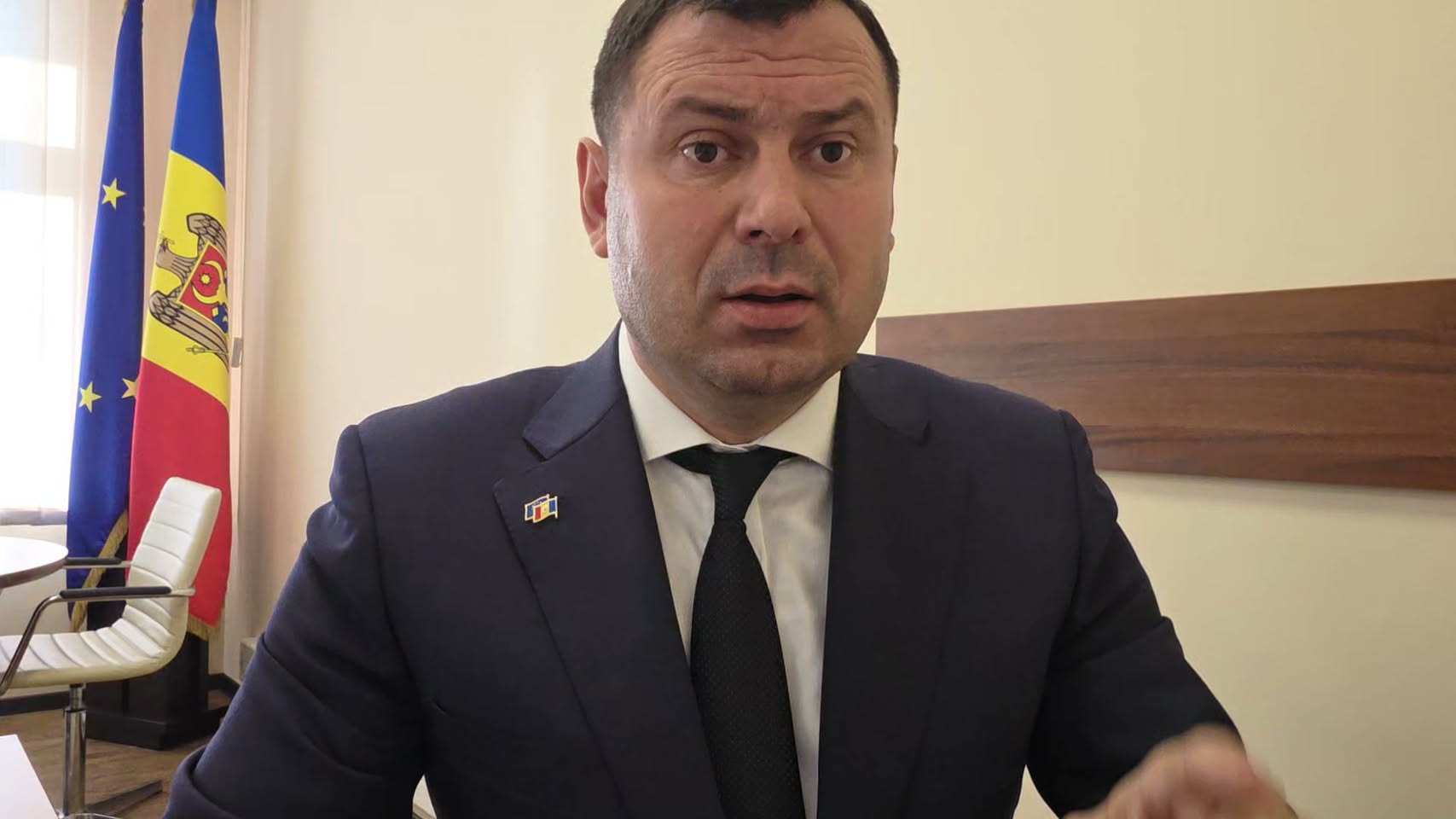
The Dniester's flow has fallen from 100 m³/s at the start of summer to about 30 m³/s, and the Prut and the Danube have also dropped almost threefold, says Environment Minister Gheorghe Hajder. The Ukrainian side told the Dniester Commission that it cannot release from the Novodnestrovsk reservoir more than flows into it; in some places in Ukraine water is already supplied by the hour. Chișinău consumes 170–200 thousand m³ a day, about 2 m³/s, against a flow of around 33 m³/s, so “the problem is not the volume of water, but the station's capacity to draw it”, while at Cosăuți, which supplies Bălți, the level has fallen by 10–15 cm without danger to the pumps. Prime Minister Vasile Tofan summoned the Chișinău Primăria (City Hall) and Apă-Canal on 29 September; the Primăria says that at Vadul lui Vodă it has additional pumps, a floating station and a dam, plus 30 alternative wells, and warns that without water the sewage system of a city of a million people could also fail. 17 civil society organisations ask for hydrological security to become a state priority.
- Guvernul Republicii Moldova (institution) — 469 / 33 / 60 — reel
- Ministerul Mediului (institution) — 62 / 1 / 6 — post
- Vasile Tofan (governing, pro-EU) — 3,065 / 235 / 490 — reel
- Gheorghe Hajder (governing, pro-EU) — 1,114 / 127 / 230 — video
- Gheorghe Hajder (governing, pro-EU) — 651 / 38 / 61 — video
- Gheorghe Hajder (governing, pro-EU) — 362 / 30 / 101 — reel
- Gheorghe Hajder (governing, pro-EU) — 68 / 16 / 97 — reel
- Ion Ceban (opposition, mixed) — 6,383 / 422 / 1,496 — reel
- Ion Ceban (opposition, mixed) — 565 / 35 / 156 — reel
- Ion Ceban (opposition, mixed) — 499 / 34 / 109 — reel
- EcoContact — 14 / 0 / 5 — post
Every story links to whoever said it · How to read cirip